
A Homeowner's Guide to Navigating Storm Damage Roof Insurance Claims
A powerful storm just rolled through, and the aftermath can be overwhelming. High winds, driving rain, or hail can leave your home vulnerable, and the most common casualty is your roof. Discovering a leak or seeing shingles in your yard is stressful enough, but the thought of navigating a complex insurance claim can feel even more daunting. For many homeowners in the Hartford area, this process is unfamiliar territory. You're not just worried about the repairs; you're concerned about dealing with adjusters, understanding your policy, and ensuring you get fair compensation to restore your home properly.
At Ramsay Exteriors, we understand. We've helped countless homeowners through this exact situation. This guide will walk you through the essential steps of the roof insurance claim process, empowering you with the knowledge to handle it confidently and get your home back to its best.
Step 1: Prioritize Safety and Document Everything
Immediately after a storm, your first priority is safety. Check for downed power lines, unstable tree limbs, or other immediate hazards around your property. If it's safe to do so, your next step is to thoroughly document the damage before any temporary repairs are made.
This documentation is the most critical piece of evidence for your insurance claim. Here’s how to do it effectively:
- Take Photos and Videos: From the ground, use your smartphone to take wide shots of each side of your roof. Then, zoom in on specific areas of concern. Look for missing, cracked, or bruised shingles. Check for damage to gutters, vents, and flashing. If you see hail damage, it often looks like dark, circular bruises or dents on the shingles. Take photos of any debris that has fallen from the roof as well.
- Look for Interior Signs: Damage isn't always obvious from the outside. Inside your home, check the ceilings and attic for water stains, discoloration, or active leaks. Document these with photos, as they clearly link the storm to interior damage.
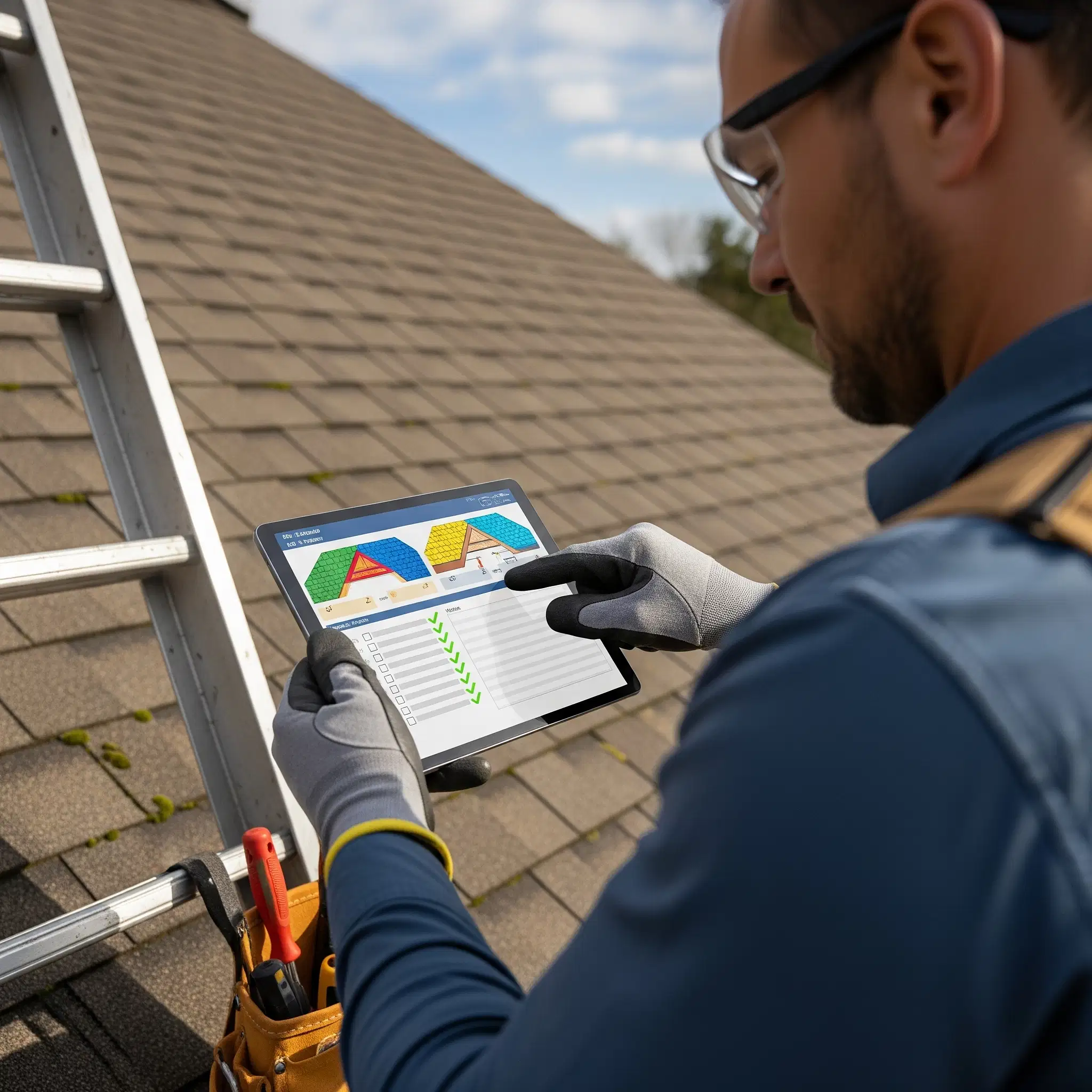
- Get a Professional Inspection: While your photos are crucial, a professional roofing inspection provides the detailed, expert assessment your insurance company needs. We use modern technology, including drones, to safely and accurately capture high-resolution images of your entire roof system, identifying damage that is often invisible from the ground. This professional report adds significant weight to your claim.
Step 2: Understand Your Policy and File Your Claim
Once you have your initial documentation, it's time to contact your insurance company. Before you call, locate your homeowner's insurance policy. While dense, it contains key information about your coverage, deductible, and the process for filing a claim.
When you call your insurance provider to start the claim, have this information ready:
- Your policy number.
- The date and type of storm (e.g., hail, high winds from a Nor'easter).
- A concise description of the damage you've observed.
- The photos and professional inspection report you've gathered.
Your insurance company will assign you a claim number and an adjuster. It's important to file your claim as soon as possible, as most policies have a time limit for reporting storm damage. Acting quickly demonstrates that the damage is a direct result of the recent weather event.
Step 3: The Adjuster Meeting and Your Contractor's Role
The insurance adjuster's job is to assess the damage on behalf of the insurance company and determine the cost of repairs they believe are covered by your policy. This is a pivotal moment in the claims process, and it’s where having a trusted roofing contractor on your side makes all the difference.
We strongly recommend having your contractor present during the adjuster's inspection. Here’s why:
- Advocacy: We act as your advocate, ensuring the adjuster doesn't overlook subtle but significant damage. We speak the same technical language and can point out issues that justify a full replacement versus a simple repair.
- Accurate Scoping: The adjuster's initial estimate may not account for everything required to complete the job correctly and up to current Connecticut building codes. We provide our own detailed, line-item estimate based on high-quality materials and proper installation techniques to ensure a fair and complete assessment.
- Streamlined Process: By collaborating with the adjuster from the start, we can often resolve discrepancies on the spot, preventing the frustrating back-and-forth that can delay your repairs.
Your contractor should be your partner, working to ensure the insurance scope of work is accurate and sufficient to restore your home's integrity.
Step 4: From Claim Approval to a Fully Restored Roof
Once your claim is approved, you will receive a summary from your insurer detailing the scope of work and the funds allocated for the project, minus your deductible. Now, you can move forward with the actual repairs.
This is where quality workmanship is paramount. A properly installed roof is your home's primary defense against future storms and the harsh New England winters. A shoddy installation can lead to premature failure, leaks, and problems like ice dams, potentially voiding material warranties and causing even more significant headaches down the road.
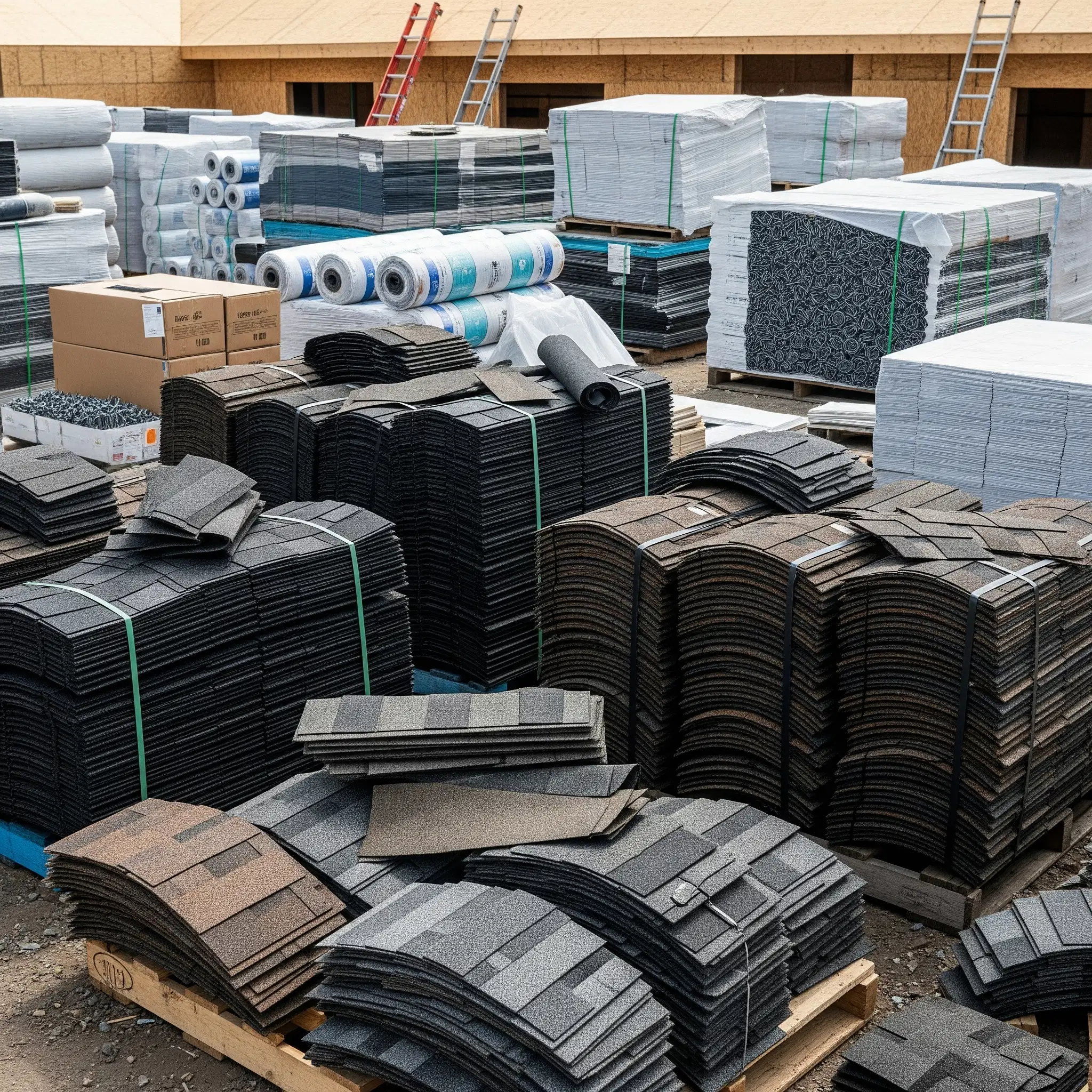
Choosing a contractor who uses premium materials and follows manufacturer specifications ensures your new roof will last for decades. This isn't just a repair; it's a long-term home improvement project that protects your most valuable asset. We manage the entire process, from ordering materials and scheduling the crew to protecting your landscaping and performing a meticulous cleanup, ensuring minimal disruption to your life.
Your Partner in Storm Recovery
Dealing with storm damage is never easy, but you don't have to go through it alone. By following a clear process—documenting damage, filing promptly, and partnering with an experienced roofing contractor—you can navigate the insurance claims process successfully. The key is to work with a team that prioritizes clear communication, quality craftsmanship, and your best interests.
If your home has been affected by a recent storm in Connecticut, don't wait. Contact Ramsay Exteriors today for a comprehensive damage inspection and expert guidance on your insurance claim. Let us help you restore your peace of mind and the safety of your home.