
Don't Let Winter Win: A Homeowner's Guide to Preventing Ice Dams and Roof Damage
Connecticut winters can be beautiful, blanketing our neighborhoods in a quiet layer of snow. But for homeowners in the Hartford area, that beauty can hide a serious threat to your home's integrity: the ice dam. These thick ridges of ice at the edge of your roof might look like a normal part of winter, but they can cause significant water damage, leading to stained ceilings, damaged insulation, and costly repairs. The stress of discovering a leak after a major snowstorm is something no one wants to experience. Fortunately, with a little understanding and proactive care, you can protect your home from the costly consequences of winter roof damage. This guide will walk you through what causes ice dams and, more importantly, how to prevent them.
What Causes an Ice Dam?
Understanding how an ice dam forms is the first step toward preventing one. It’s a simple chain reaction driven by heat escaping from your home.
- Heat Loss: Warm air from your living space rises into the attic. If your attic is poorly insulated or ventilated, this heat warms the underside of your roof deck.
- Snow Melts: The snow on the upper, warmer parts of your roof melts and flows down toward the eaves.
- Water Refreezes: The eaves and gutters overhang the house, so they remain at or below freezing temperature. When the meltwater reaches this cold edge, it refreezes, creating a small ridge of ice.
- The Dam Grows: As this cycle continues, the ridge of ice grows larger, forming a dam. This dam traps melting snow behind it, creating a pool of standing water.
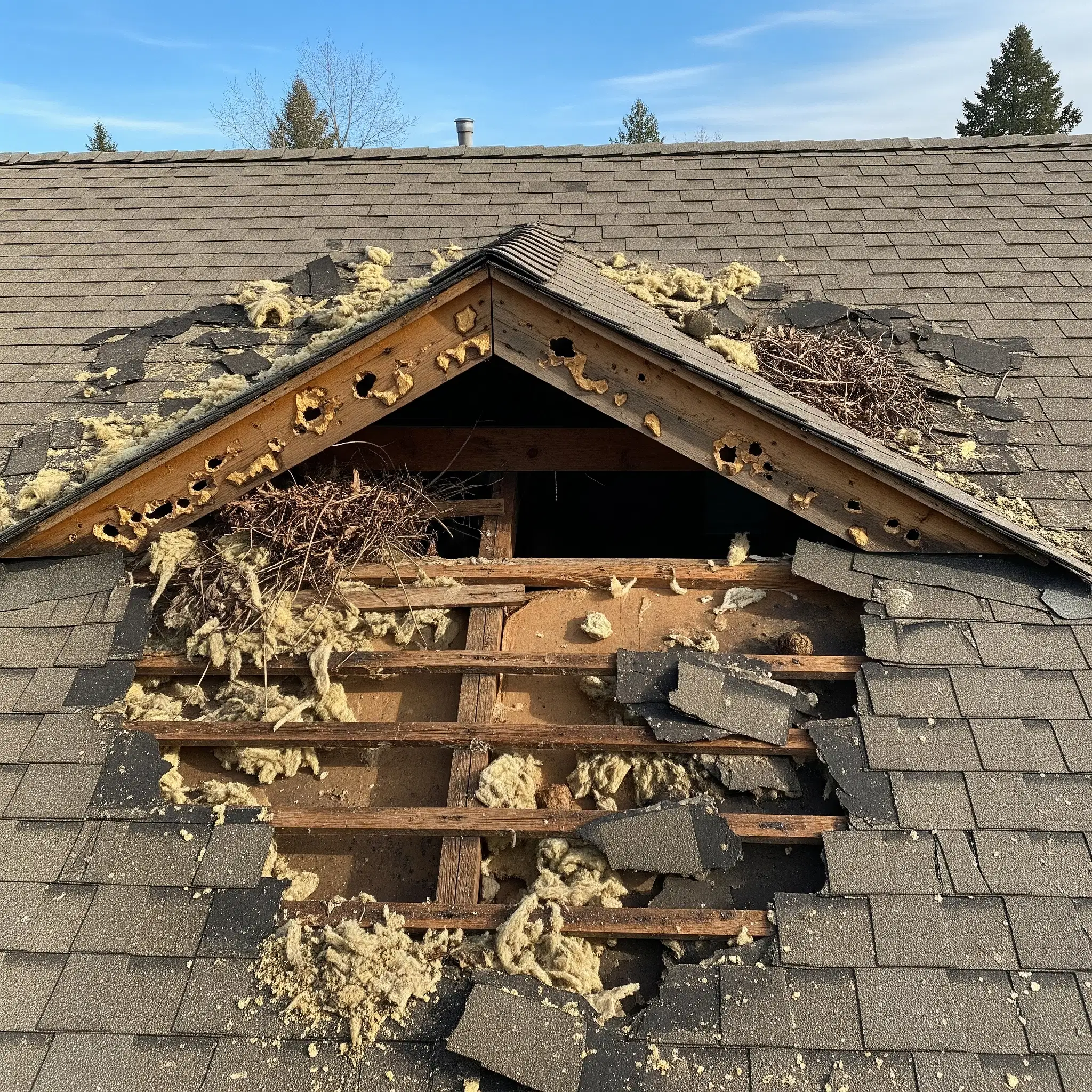
- Water Intrusion: This trapped water has nowhere to go but up. It can work its way underneath your shingles, through the nail penetrations, and into your attic and the walls of your home.
What starts as a simple freeze-thaw cycle can quickly escalate into a serious problem, compromising your home's structure and leading to significant water damage.
Proactive Strategies for Ice Dam Prevention
The best way to deal with an ice dam is to stop it from ever forming. The long-term solution isn't about treating the ice itself, but about addressing the root cause: the heat escaping from your home. Here are the most effective strategies to keep your roof safe all winter.
1. Improve Attic Insulation and Ventilation This is the single most important step. A well-insulated attic floor prevents warm air from reaching the roof deck in the first place. Paired with proper ventilation (like soffit and ridge vents), this creates a "cold roof" system, keeping the entire roof surface the same temperature as the outdoors. This means snow melts evenly and drains away properly, rather than melting from underneath. It's a permanent solution that not only prevents ice dams but also improves your home's energy efficiency year-round.
2. Ensure Your Gutters Are Clean and Functional Your gutters are designed to carry water away from your home. If they are clogged with leaves and debris, they can't do their job. Water will pool, freeze, and contribute to the formation of an ice dam. A thorough cleaning in the late fall is essential. Ensuring your gutters are properly sloped and securely fastened is also critical for effective drainage.
3. Remove Snow from the Roof Edge For homes prone to heavy snow accumulation, a long-handled roof rake can be a useful tool. By carefully removing the first three to four feet of snow from the eaves, you eliminate the source material for an ice dam. It's important to use a rake designed for this purpose to avoid damaging your shingles. This is a temporary fix, but it can be very effective during a particularly harsh winter.
The Role of a High-Quality Roofing System
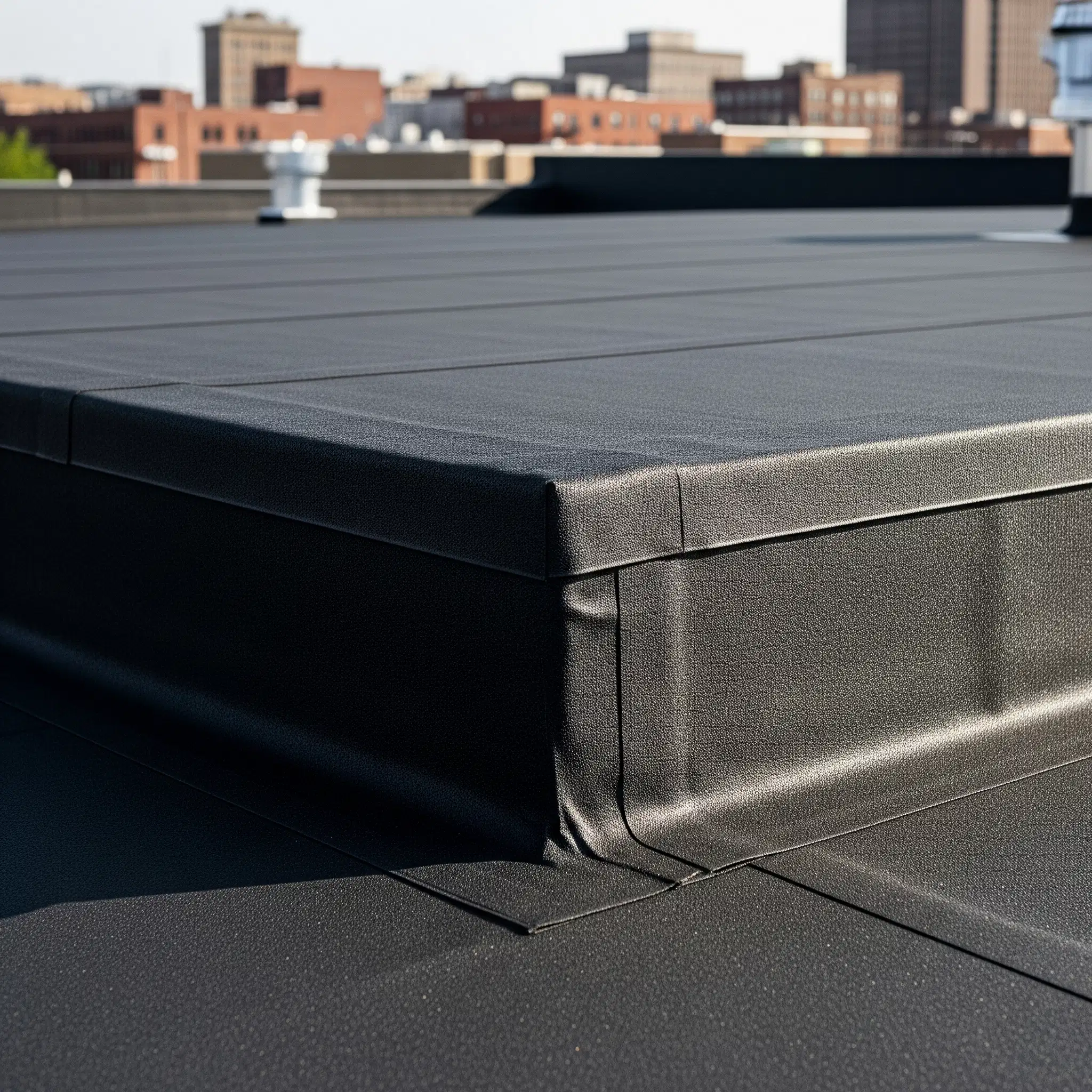
While insulation and maintenance are key, the components of your roof itself provide the ultimate line of defense. A professionally installed system is designed to manage water and protect your home, even in the toughest conditions.
-
Ice and Water Shield: This is a self-adhering waterproof membrane installed along the most vulnerable areas of your roof, including the eaves, valleys, and around chimneys. It acts as a secondary barrier, so even if water gets under your shingles, it cannot penetrate the roof deck. This is a critical component of any modern roofing system in a cold climate.
-
Proper Flashing: Flashing is the metal work that directs water away from areas where the roof is penetrated, such as vents, skylights, and chimneys. When installed correctly, it creates a watertight seal. Using high-quality, durable materials is essential for long-term performance. For instance, expertly crafted copper work not only provides superior, long-lasting protection but also adds a timeless, elegant look to your home.
If you're seeing signs of roof water damage inside your house, such as stains on the ceiling or peeling paint, it's a clear indication that your current system may be failing and needs immediate attention.
Protect Your Home This Winter
Preventing ice dams is about creating a complete system where your home's insulation, ventilation, gutters, and roofing all work together. By keeping your attic well-insulated, ensuring your gutters are clear, and investing in a high-quality roof with robust water-shedding components, you can enjoy the winter season with peace of mind.
If you're concerned about your roof's readiness for a Connecticut winter or have noticed signs of ice dam formation, don't wait for a major Nor'easter to turn a small issue into a major problem. Contact the experts at Ramsay Exteriors today. We provide comprehensive inspections to assess your roofing, gutters, and flashing, ensuring your Hartford-area home is protected all season long.