Signs It Is Time to Replace Your Commercial Roof
Running a business comes with a never-ending checklist of responsibilities, and property maintenance is often at the top of that list. For commercial property owners and facility managers, the building's exterior is the first line of defense against the elements. Yet, because it is usually out of sight, the roof is frequently out of mind—until a major problem forces it into the spotlight.
Whether you manage a retail space, an office building, or an industrial facility in the Capitol Region, understanding the condition of your building's exterior is crucial for protecting your inventory, your employees, and your bottom line. Waiting for a catastrophic failure can lead to disrupted operations, expensive interior damage, and safety hazards.
So, how do you know when to replace a flat roof on a business before it becomes an emergency? At Ramsay Exteriors, we believe in empowering property owners with the knowledge they need to make informed decisions. Let's explore the critical signs you need a new commercial roof and how to navigate the commercial roof replacement process with confidence.
1. You Are Approaching the End of the Material's Lifespan
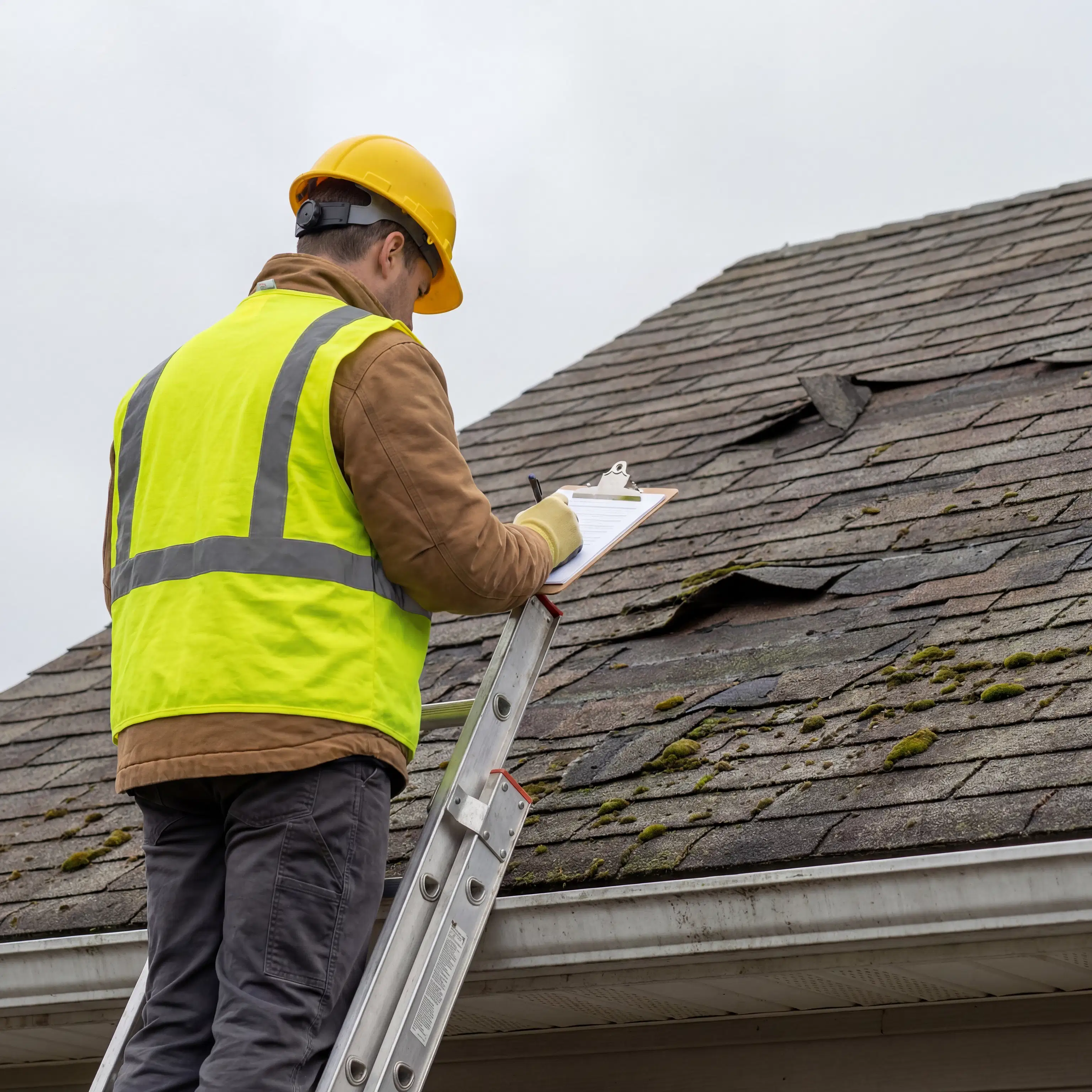
One of the most reliable indicators that it might be time for an upgrade is simply the age of your current system. The lifespan of commercial flat roofing materials varies depending on the type of system installed, the quality of the initial installation, and how well it has been maintained over the years.
For instance, a well-installed EPDM (ethylene propylene diene terpolymer) rubber roof can last anywhere from 20 to 30 years. TPO (thermoplastic polyolefin) systems, known for their energy efficiency and heat-reflective properties, typically offer a lifespan of 15 to 25 years. However, these timelines are not guarantees, especially when subjected to the unpredictable extremes of New England weather.
Years of enduring heavy snow loads, brutal summer UV rays, and the occasional severe Nor'easter can accelerate wear and tear. If your building's roof is approaching the two-decade mark, it is highly recommended to schedule a comprehensive evaluation. Even if you aren't experiencing active leaks, proactive planning allows you to budget for a replacement rather than being caught off guard by a sudden failure.
2. Persistent Leaks and Interior Water Damage
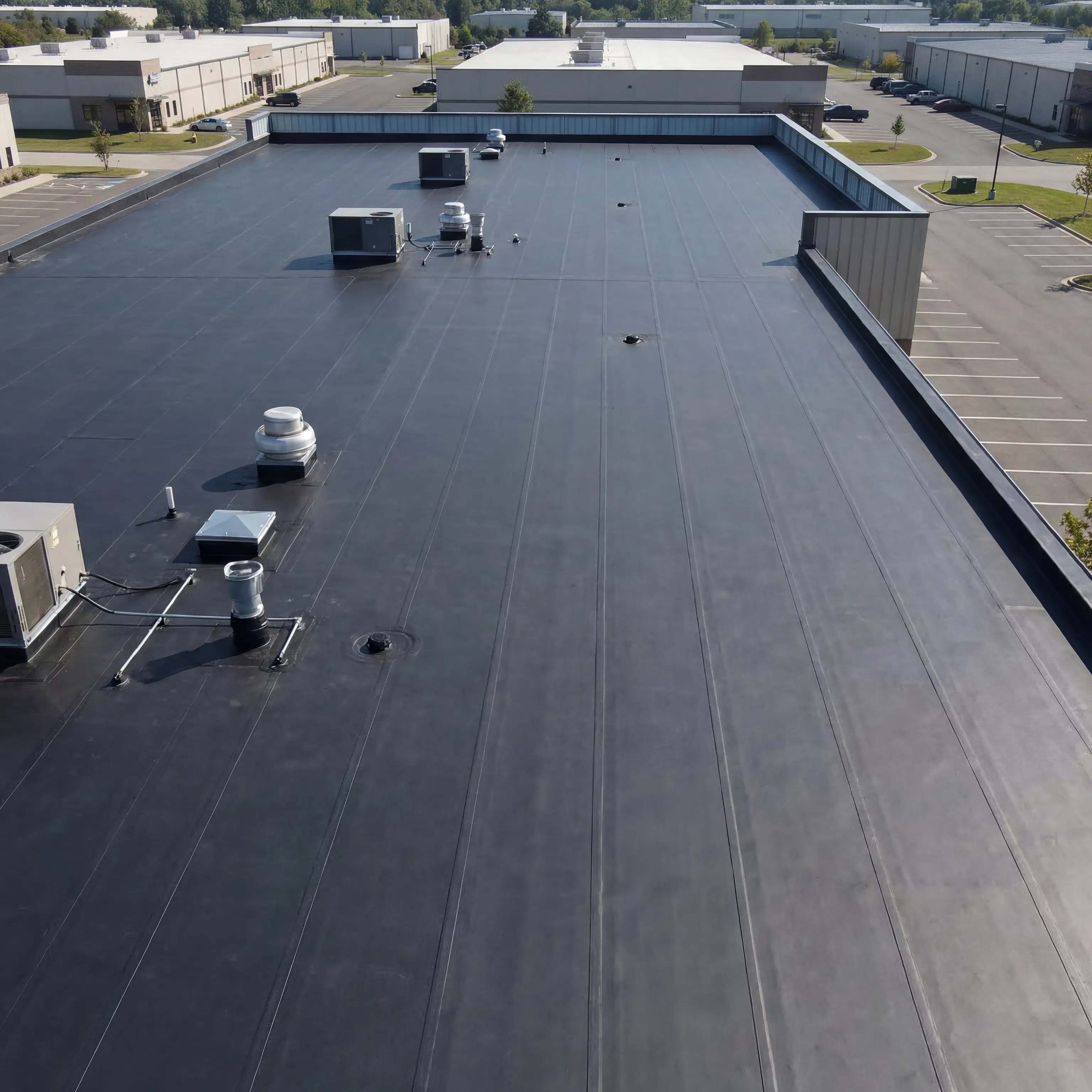
A single, isolated leak might just require a targeted commercial flat roof repair. However, if you find yourself constantly calling for patch jobs every time it rains, you are likely dealing with a systemic failure.
Water has a way of traveling far from its original entry point, making leaks notoriously difficult to track down on flat surfaces. By the time you notice water stains on your ceiling tiles, peeling paint on the upper walls, or a musty smell in your facility, the moisture has already compromised the insulation and potentially the structural decking.
During the winter months, poor drainage and inadequate insulation can lead to the formation of ice dams along the edges of the building. These blockages prevent melting snow from draining properly, causing water to pool and seep under the roofing membrane. If you are dealing with chronic moisture intrusion, especially after the Spring Thaw reveals the winter's hidden damage, a full replacement is often the most cost-effective long-term solution.
3. Visible Membrane Damage: Blistering, Cracking, and Pooling Water
You don't always have to wait for water to enter the building to know there is a problem. Visual inspections can reveal a lot about the health of your exterior.
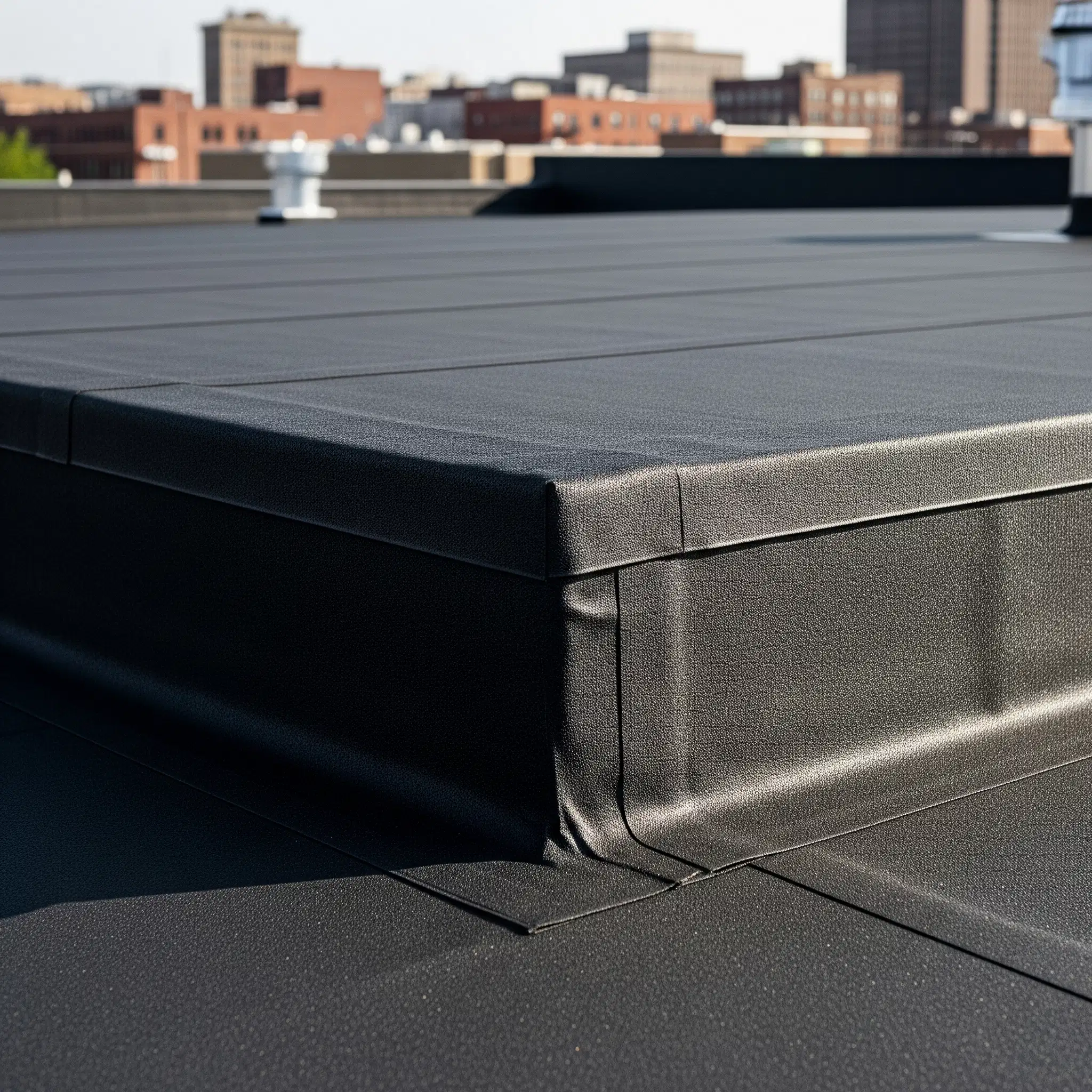
Look for signs of blistering or bubbling on the surface of the membrane. This occurs when moisture or air gets trapped beneath the material and expands as it heats up in the sun. Over time, these blisters can pop, leaving the underlying structure completely exposed to the elements. Similarly, deep cracks, tears, or pulling at the seams indicate that the material has lost its elasticity and can no longer expand and contract with temperature fluctuations.
Another major red flag is excessive pooling water. While flat roofs aren't perfectly flat—they have a slight pitch to encourage drainage—sagging areas can create birdbaths that hold water for days after a storm. Standing water degrades roofing materials rapidly and adds immense weight to the building's structure.
Today, assessing this damage is easier and safer than ever. We utilize advanced drone-based aerial inspections to provide rapid, highly accurate assessments of your property. This technology allows us to spot pooling water, seam separations, and membrane degradation without disrupting your daily operations.
4. Rising Energy Costs and Insulation Failures
Your roof does more than just keep the rain out; it plays a massive role in your building's thermal efficiency. If you have noticed a steady, unexplained increase in your heating and cooling bills, your roof's insulation may be failing.
When moisture infiltrates the roofing system, it saturates the insulation layer. Wet insulation loses its thermal resistance (R-value), meaning your HVAC system has to work overtime to maintain a comfortable temperature inside the facility.
Upgrading your system provides an excellent opportunity to improve your building's energy efficiency. Modern materials, such as reflective cool roofs, can significantly reduce cooling costs during humid summers. Furthermore, a new installation ensures that your property meets the latest strict state building codes regarding energy efficiency and wind-resistance ratings.
Navigating the Commercial Roof Replacement Process
We understand that a major capital improvement project can be daunting. The commercial roof replacement process involves careful planning, selecting the right materials for your specific building usage, and ensuring strict adherence to safety and OSHA compliance standards.
At Ramsay Exteriors, we prioritize transparent communication and minimal disruption to your business. We also know that managing cash flow is a top priority for business owners, which is why we offer flexible financing options to help you secure the protection your property needs without crippling your operational budget.
If you are seeing any of these warning signs, don't wait for the next major storm to test your building's limits. Protect your investment and ensure the safety of your facility. Contact us today to schedule a comprehensive inspection, or learn more about our professional roofing services tailored for properties throughout Fairfield County and beyond.