
Your Guide to Commercial Flat Roof Maintenance in Connecticut
For business owners and property managers in Connecticut, a commercial flat roof is more than just a cover—it's a critical asset that protects your inventory, equipment, employees, and customers. However, its large, low-slope surface makes it uniquely vulnerable to our region's demanding weather. From heavy snow and ice dams in the winter to the intense sun and sudden downpours of summer, a neglected flat roof can quickly become a significant liability. Ignoring routine maintenance can lead to disruptive leaks, costly emergency repairs, and even premature replacement, impacting your bottom line and operational continuity. This guide will walk you through the essentials of proactive commercial flat roof maintenance, helping you protect your investment, prevent problems before they start, and ensure your business remains safe and dry year-round.
Why Proactive Maintenance is a Non-Negotiable Investment
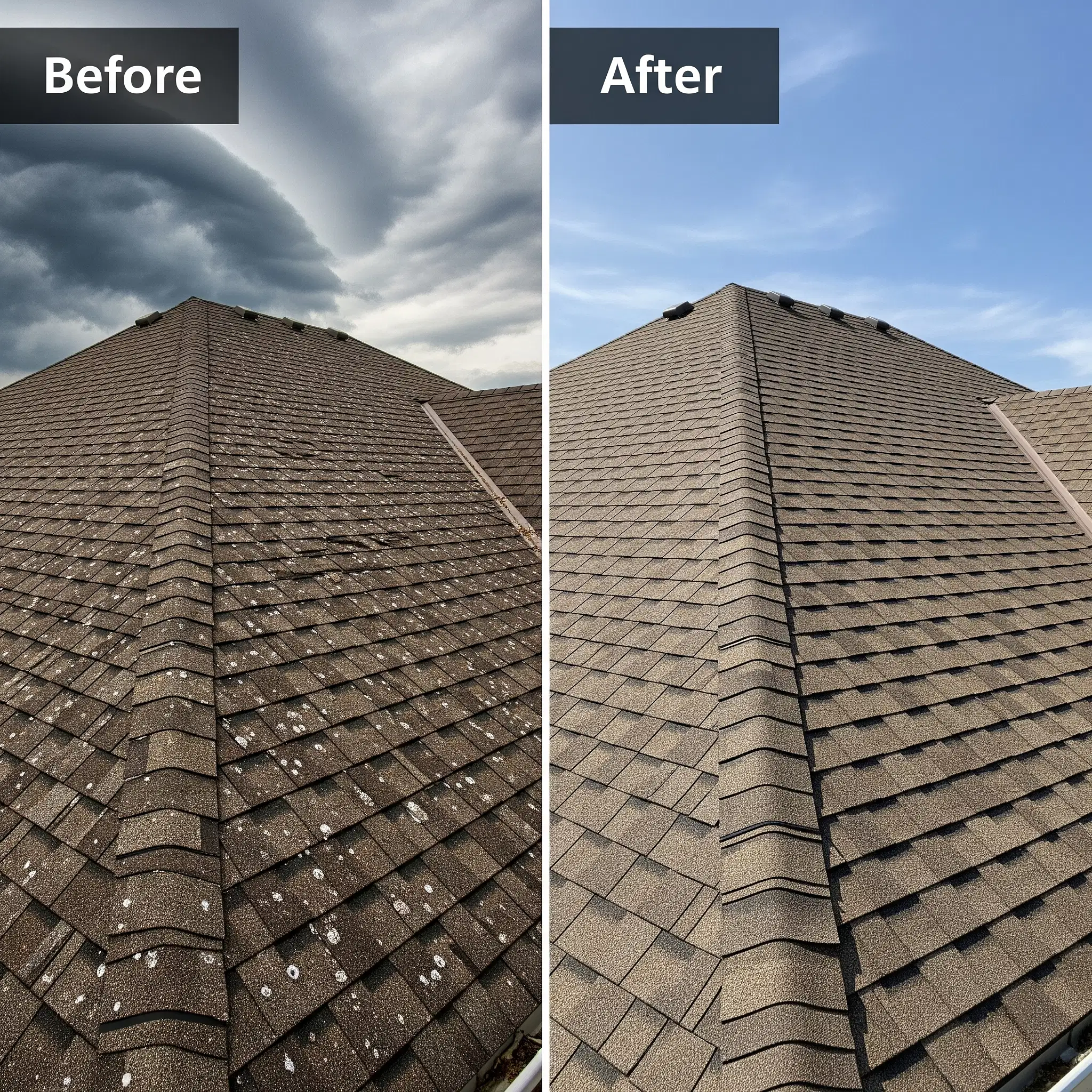
Treating roof maintenance as an operational expense rather than a capital crisis is one of the smartest financial decisions a property manager can make. The cost of a minor, proactive repair—like sealing a cracked seam or clearing a drain—is minuscule compared to the expense of replacing damaged inventory, repairing interior water damage, and funding an emergency roof replacement.
Here’s why a consistent maintenance plan is crucial:
- Maximizes Roof Lifespan: A well-maintained commercial roof can meet or even exceed its expected service life. Regular inspections and timely repairs prevent small issues from deteriorating the entire roofing system, deferring the massive cost of a full replacement for years.
- Prevents Business Disruptions: A sudden leak can force you to shut down sections of your facility, ruining productivity and turning away customers. Proactive care identifies weak spots before they fail, ensuring your operations continue uninterrupted.
- Improves Budgeting and Financial Control: Unexpected roofing emergencies can wreck a budget. A scheduled maintenance program allows you to plan for minor repair costs, making your expenses predictable and manageable. It also helps you plan for an eventual replacement far in advance.
- Upholds Warranty Requirements: Many commercial roofing manufacturers require proof of regular professional maintenance to keep the warranty valid. Neglecting your roof could void your coverage, leaving you fully responsible for costs that would have otherwise been covered.
A Seasonal Checklist for Your Connecticut Commercial Roof
Our state's four distinct seasons each pose unique threats to a flat roof. Following a seasonal checklist helps ensure you’re prepared for whatever the New England weather throws your way.
Spring (Post-Winter Assessment)
After the thaw is the perfect time to assess winter's impact. Heavy snow and ice dams can cause significant stress.
- Inspect the Membrane: Look for any punctures, cracks, or blisters that may have formed during freeze-thaw cycles.
- Check the Drains: Clear all drains, scuppers, and gutters of leaves and debris that accumulated over the winter to prevent ponding water from spring rains.
- Examine Flashings: Pay close attention to the seals around HVAC units, vents, and skylights, as these are common failure points.
Summer (Heat and Sun Defense)
Intense UV exposure can accelerate the aging of roofing materials, causing them to become brittle.
- Look for Surface Degradation: Check for signs of cracking or "alligatoring" on the roof's surface.
- Monitor for Ponding Water: Summer thunderstorms can be intense. Ensure water is draining properly within 48 hours to prevent excess weight and material breakdown.
- Inspect Seams: Heat can cause roofing materials to expand and contract, putting stress on the seams. Ensure they remain fully adhered and sealed.
Fall (Preparation for the Nor'easter Season)
This is arguably the most critical maintenance season. Being prepared for winter is key.
- Thorough Debris Removal: Clear all leaves, branches, and other debris from the roof surface and drainage systems. Clogged drains are the primary cause of ice dams and winter leaks.
- Trim Overhanging Branches: Prevent damage from falling limbs during winter storms by trimming back any hazardous tree branches.
- Schedule a Professional Inspection: Have a professional perform a comprehensive inspection to catch any potential issues before they are buried under snow and ice.
Winter (Vigilance and Monitoring)
Winter is about monitoring, not active repairs, unless an emergency arises.
- Watch for Heavy Snowfall: Be aware of your roof's load capacity. If snow accumulation becomes excessive, arrange for safe, professional removal.
- Identify Ice Dams: Keep an eye on the roof edges for ice dam formation, which can force water under the roofing membrane. Proper fall maintenance is the best prevention.
Partnering with a Professional for Peace of Mind
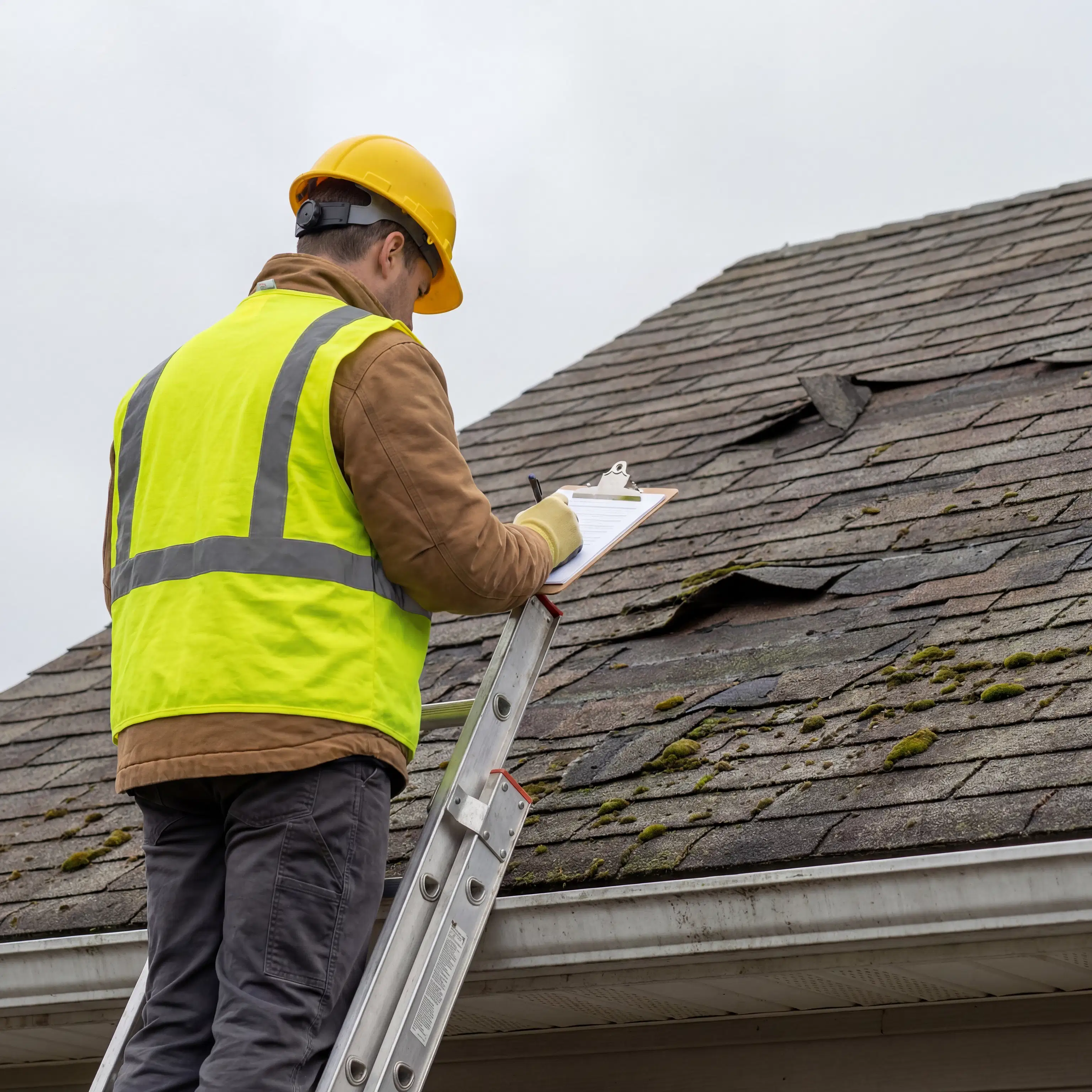
While in-house visual checks are helpful, they can't replace the expertise of a qualified roofing contractor. A professional has the training and equipment to spot subtle signs of trouble that are often missed by an untrained eye. They can safely navigate the roof and perform detailed assessments of membranes, flashings, and structural components.
When choosing a partner for your commercial roofing needs, look for a company that:
- Specializes in Commercial Systems: Flat roofing materials like EPDM, TPO, and PVC require different installation and repair techniques than residential sloped roofs.
- Is Fully Licensed and Insured: This is non-negotiable. It protects your business from liability and ensures the contractor adheres to professional standards and local building codes.
- Offers Proactive Maintenance Programs: The best contractors don't just fix problems—they partner with you to prevent them. A formal maintenance plan includes scheduled inspections, detailed reports, and priority service.
- Provides Clear, Transparent Communication: You should receive detailed reports after every inspection, including photos and clear explanations of any recommended work. This builds trust and helps you make informed decisions for your property.
Your commercial roof is a significant investment. By taking a proactive approach to its care, you can ensure it effectively protects your business for decades to come.
Protect Your Business with Expert Roof Maintenance
Don't wait for a small drip to become a major disaster. A proactive maintenance strategy is the most effective way to manage costs, prevent disruptions, and extend the life of your commercial roof. By understanding the seasonal risks and partnering with a trusted professional, you can ensure your facility in the Capital City area is protected.
If you're ready to implement a proactive maintenance plan or need a comprehensive inspection of your commercial flat roof, the team at Ramsay Exteriors is here to help. Contact us today to schedule a consultation and learn how our expert roofing and property improvement services can safeguard your investment.